Electronics engineering for MedTech devices

Hardware, firmware and test engineering for medical devices, helping R&D teams reach robust, manufacturable electronics with fewer late design changes.

under one roof

at any stage of the life cycle

as a stand-alone service
The Challenge
Early electronics decisions shape the whole product
Choices about architecture, components, power and firmware structure are made early, often before requirements are fully settled. When they are wrong, they surface late: during verification, at the contract manufacturer, or after launch, where every change is slow and expensive. We engage early to capture the requirements that matter for hardware and software, and we review decisions before they reach implementation.

Is the hardware architecture a good fit for the intended use?

Will the power budget deliver the required battery life?

Is the firmware robust, maintainable and ready for regulatory review?

Can the design be manufactured and tested reliably at volume?
Our own platform
DiMedTech (DMT) platform
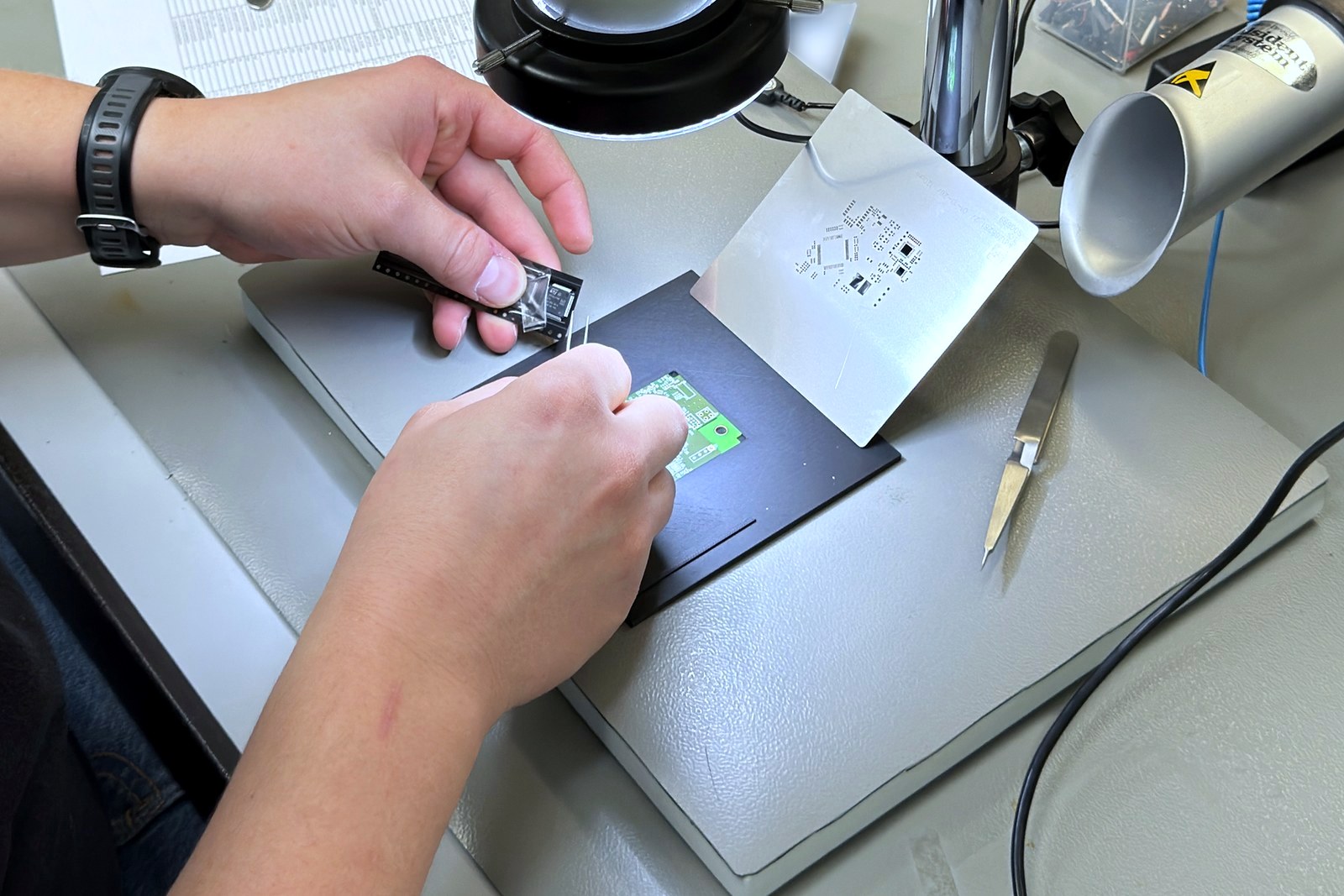
DMT combines circuits we have already designed and verified with software modules that run as a compact operating system built on state machines. The architecture is coupled tightly where response time matters and loosely in the general controls, so the device runs with the shortest possible response times and the lowest possible power consumption. Because the building blocks are proven, a new device does not start from a blank schematic or an empty code base. This shortens development, reduces risk and keeps projects competitive, while the firmware stays layered, modular and maintainable for regulatory documentation and long-term support.

Pre-verified hardware circuits

Reusable software modules

State-machine operating system

Fast response, low power
What we can verify
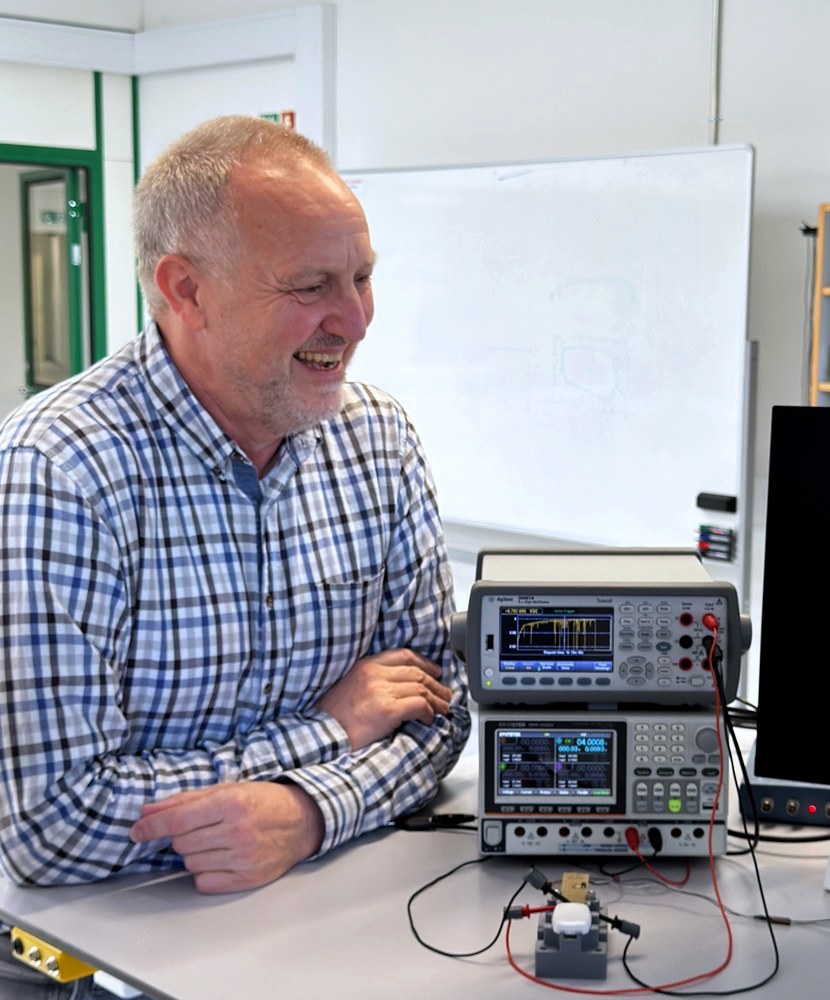
What our Electromechanics Lab helps project leaders verify

Architecture fit
Controllers, memory, connectivity and sensors matched to the intended use.

Power budget
Consumption profiled across use cases, with power management and charging optimised.

Signal integrity
Noise immunity, sampling circuits, response times and propagation delays.

Connectivity
Wireless and wired links tested for throughput, stability and error handling.

Firmware robustness
State handling, interrupts and error handling reviewed for reliability.

Manufacturability
Layout and design issues found before the first production run.
Capabilities
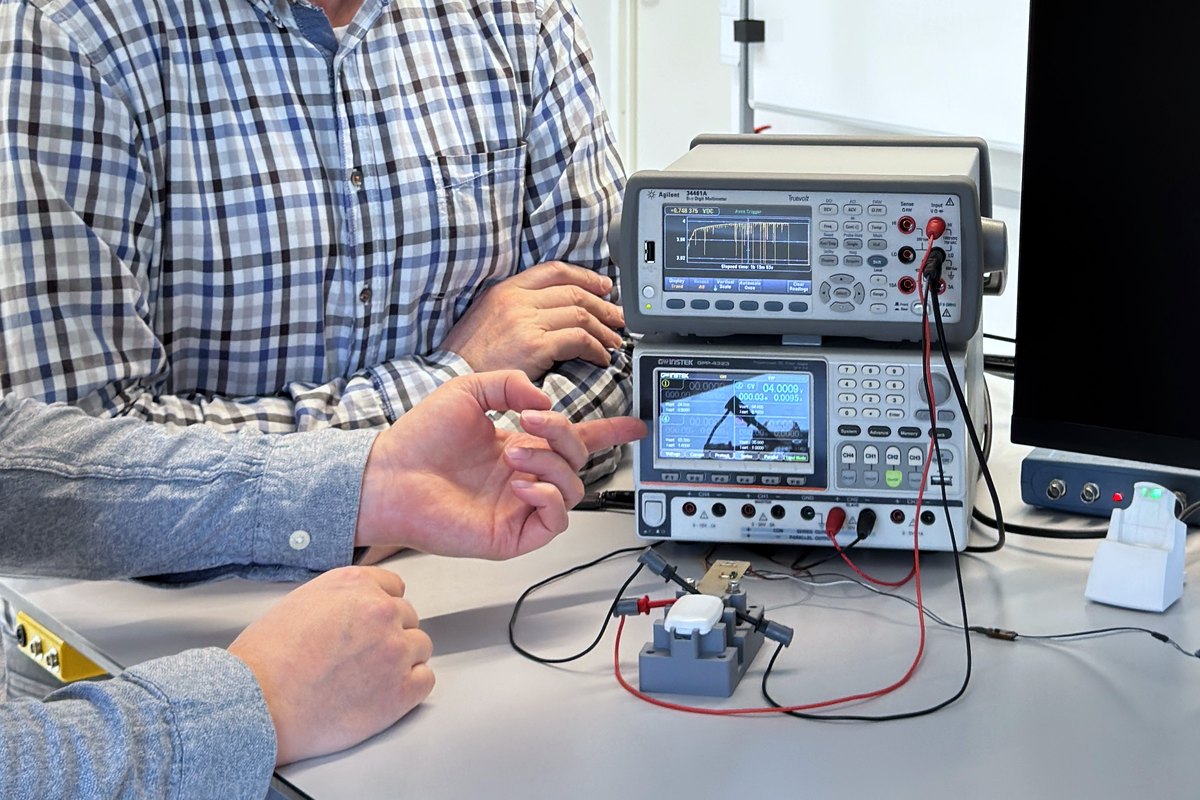
Electromechanical engineering capabilities
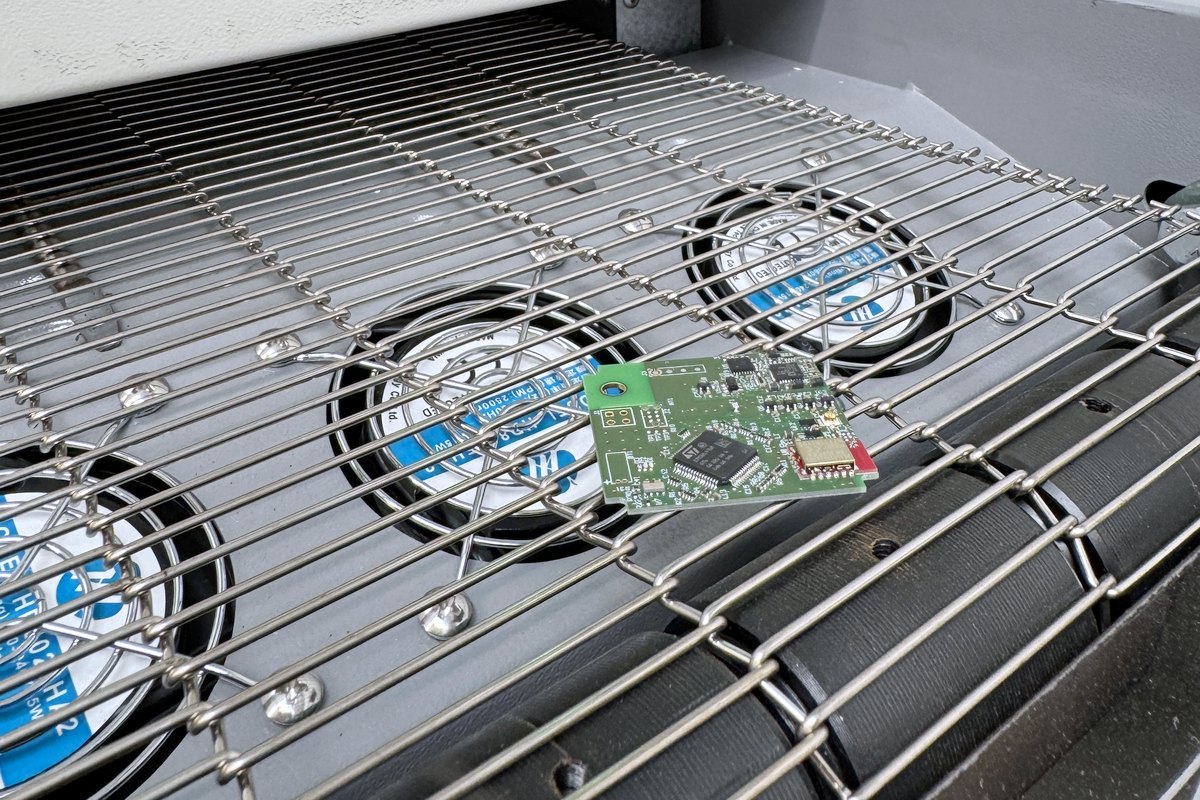

Hardware Engineering
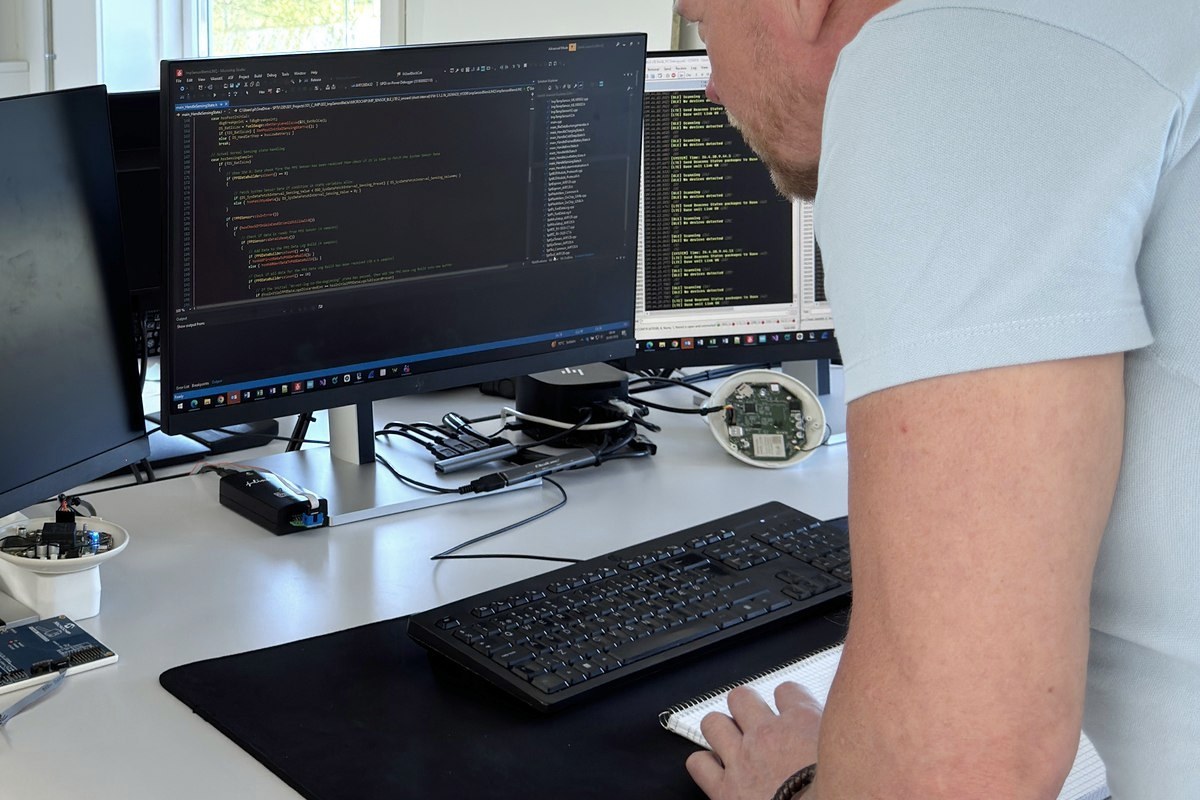

Embedded Software
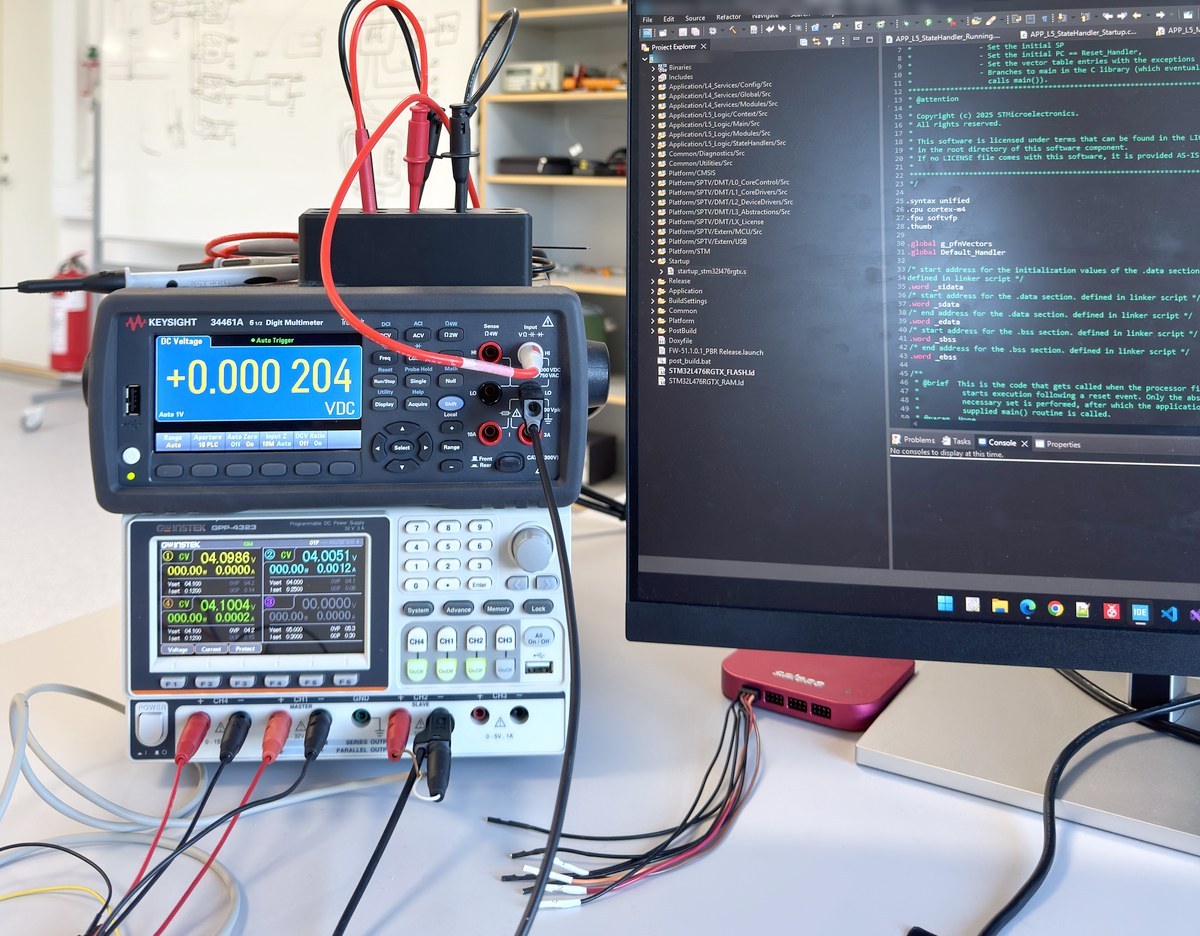

Test and Verification

Machine Controls
Control systems and equipment for production and test, from the control panel to the software that runs it. We design, build and program the systems that assemble, handle, monitor and inspect medical devices in production.
Case examples
Medical devices our engineers have developed
Electroporation device for cancer treatment
Multi-MCU analog and digital design delivering programmable electrical field sequences through a brain probe with up to 32 electrodes. Built-in self-test before each use, PC application for sequence design and box build of the final product.
Vacuum-assisted biopsy device
Handheld device with multiple motor controls and rechargeable LiPo battery. Docking station with infrared readout and configuration, chosen for low EMC emissions, and a PC application for device communication.
Medical tele-monitoring system
Body-worn, rechargeable sensor measuring heart-rate data and transmitting it to a back-end through sensor hubs. Multiple wireless technologies and bare-metal drivers optimised for power consumption.
Insulin pen with memory and display
Low-power 8-bit embedded system reading a micro-mechanical dose encoder and showing time and dose on a custom LCD, with deep-sleep operation and accurate time tracking.
Insulin pen upgrade with NFC
Analysis of an existing closed platform for reported and unreported flaws, followed by new hardware and firmware adding usage logging, a real-time clock and NFC readout of a body-worn glucose sensor.
More references on request
Some programmes are under confidentiality. Contact us to discuss references relevant to your device.
Claus Reuber
cr@sptvilecon.com
+45 7170 9678
Technologies and tools
Proven platforms and tools
Hardware
Embedded controllers
Wireless communication
Wired communication
Memory
Power management
Sensors
Actuators
PCB design tools
Simulation
Capabilities
Software
Platforms and OS
Programming languages
Data
Communication protocols
Development tools
Capabilities
Next step
Ready to de-risk your next product?

Expert guidance
We help you scope the right task, from a review to full development

Fast support
Defined tasks handled as an extension of your team

Lower risk
Hardware and firmware verified before changes become costly
Tell us about your device and where you are in development. We will suggest the right scope, from a design review or proof-of-concept sprint to a full hardware and software project. Reach out to Claus directly or contact our team.