
Prototype Lab
for injection moulded MedTech parts

Moulded prototype parts in relevant materials, helping R&D teams reduce design, material and tooling risk before committing to steel tooling.
within 24 hours
in 1 - 2 working days
under one roof
Key Statistics
The value of faster physical verification
Up to 85% faster
Up to 75% lower development cost
3 times as many concepts evaluated
Figures are based on documented project assumptions and may vary depending on part geometry, material selection, tooling complexity, quantity and project scope.
The Problem
Earlier learning through practical verifications
In early product development, key questions often remain unresolved. Geometry, interfaces, assembly principles and material behaviour may still be under evaluation, while important design decisions still need to be made.
Relying only on CAD, simulations or standard 3D printed prototypes can leave teams with uncertainty around how the part will behave when it is moulded in a relevant material.
The Prototype Lab helps development teams test physical alternatives earlier and build real development knowledge before design lock.
Will the selected material behave as expected?
Will the part fit correctly in the assembly?
Can the geometry be moulded without critical issues?

Are there risks of flash, air, sink marks for warpage?
Are tolerances acceptable in the real setup?
The Bridge
The Bridge between 3D printing and production tooling
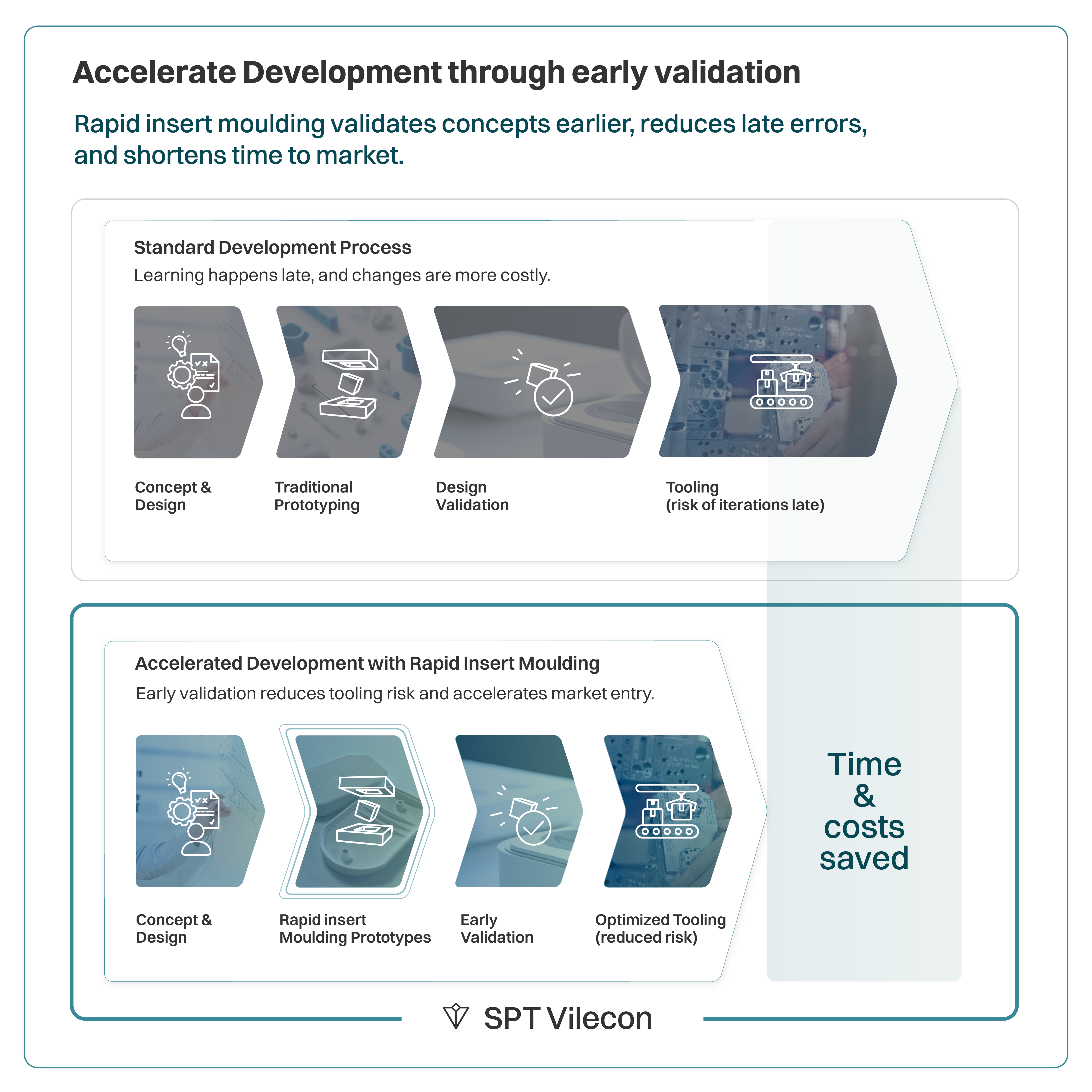
3D printing is often the right choice for early concept models, but it does not always answer the questions that matter before steel tooling decisions are made.
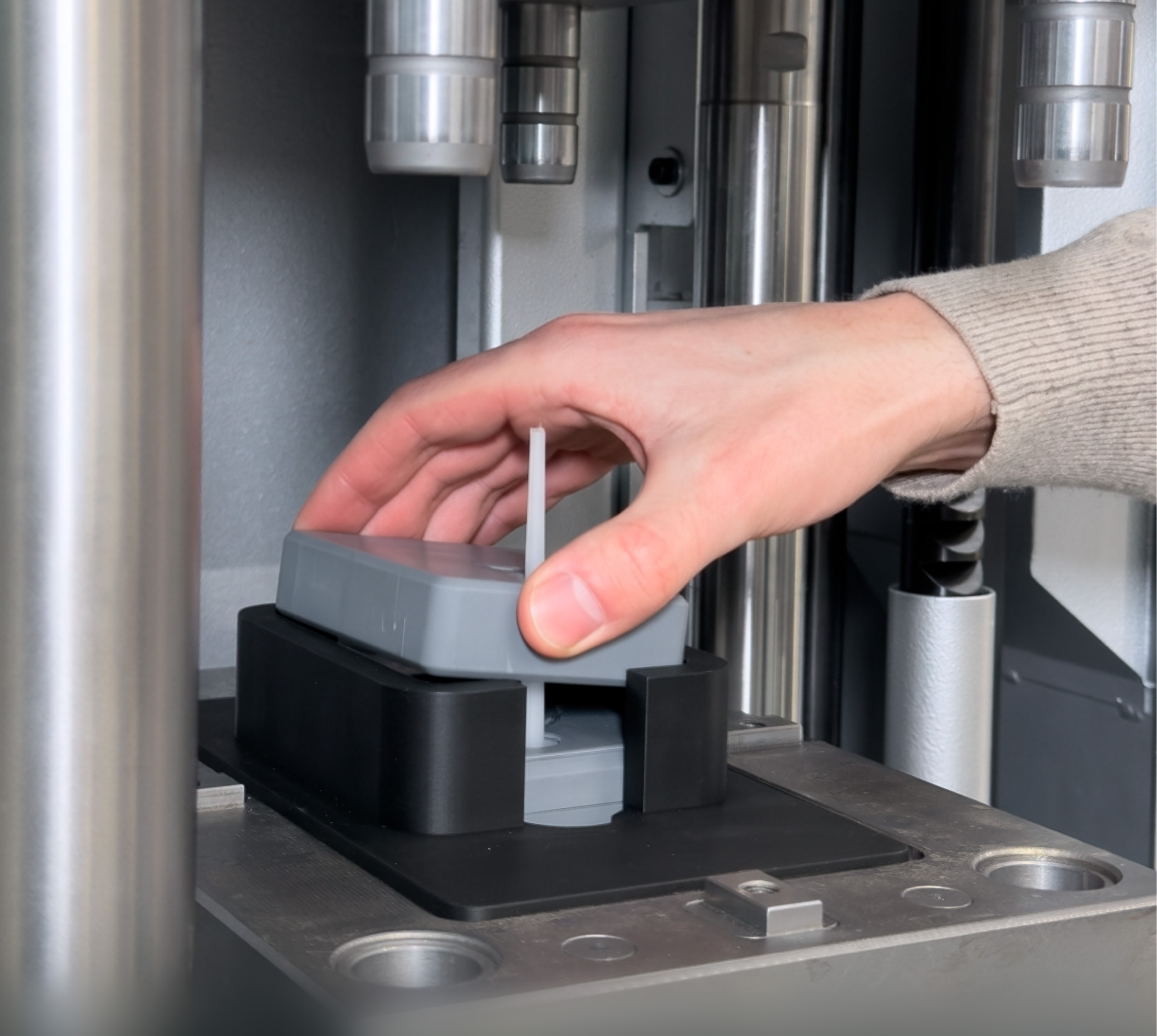
Rapid prototype moulding bridges the gap between printed prototypes and full production tools.
By using resin based injection moulds, development teams can test moulded parts in relevant materials earlier in the process.
This allows earlier validation of design, material behaviour and functional interfaces, reducing the risk before investing in production tooling.
What we can learn
What our Prototype Lab helps project leaders verify
Design risk
Verify geometry, features and critical interfaces before tooling investment.
Material behaviour
Test parts in relevant materials to understand performance, fit and functionality.
Assembly fit
Evaluate how parts interact with components, inserts, seals and housings.
Mouldability
Identify filling challenges, air entrapment, flash, sink marks, warpage and tolerance risks earlier.
Iteration speed
Compare design alternatives and iterate before the design is locked.
Tooling decisions
Use physical learnings to choose the right tooling route.

Capabilities
Prototype moulding capabilities
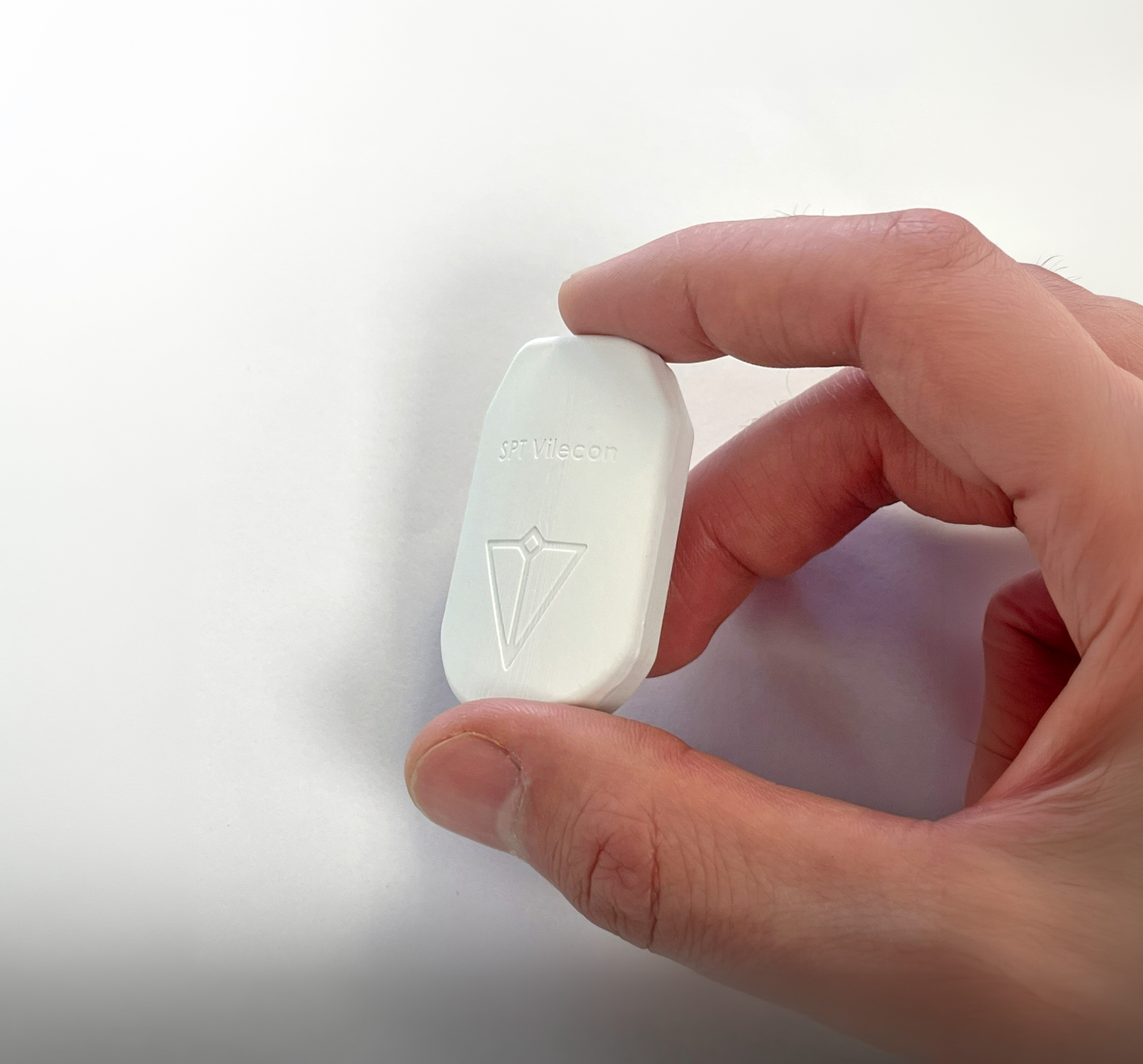
Thermoplastics Moulding

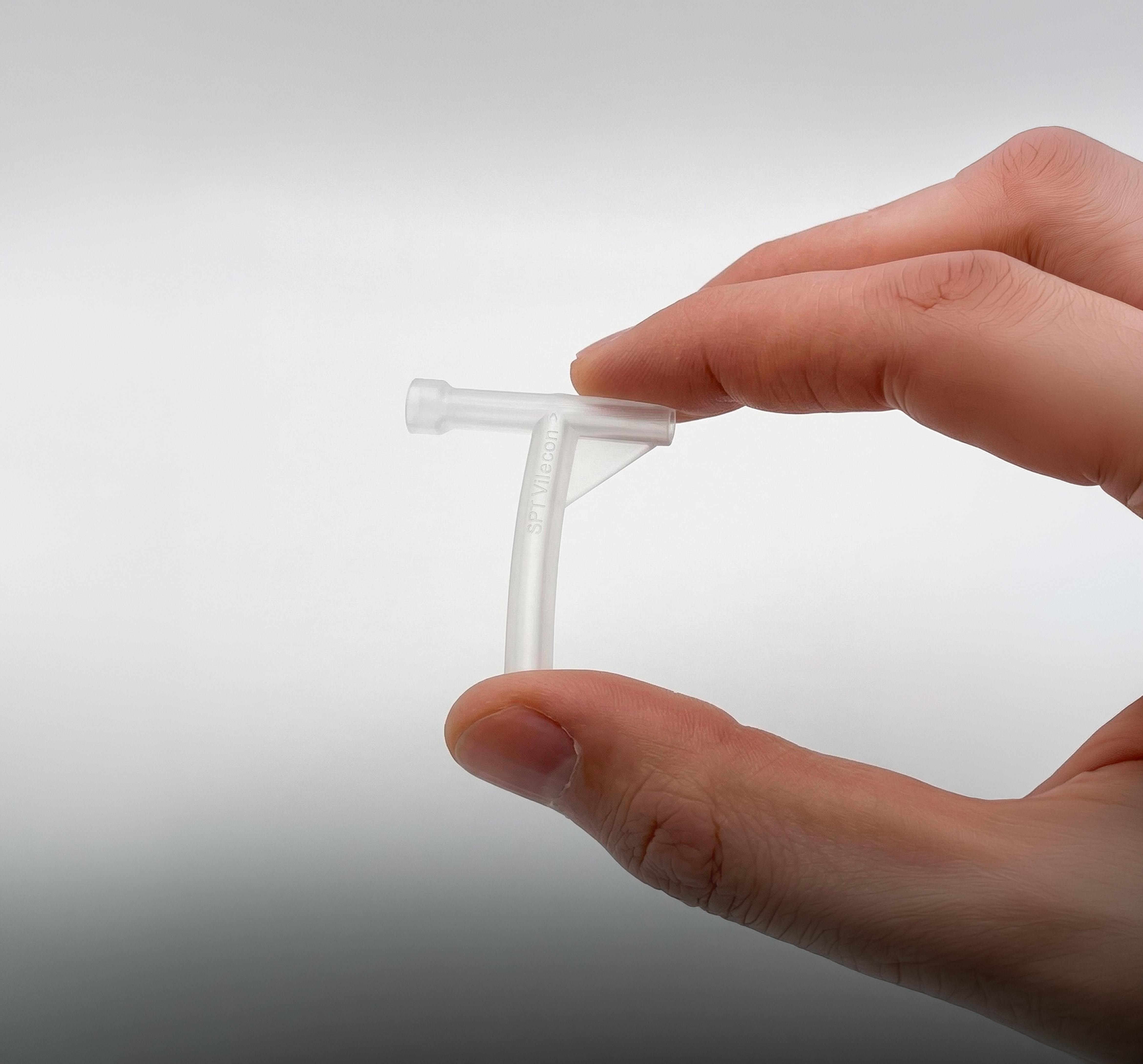
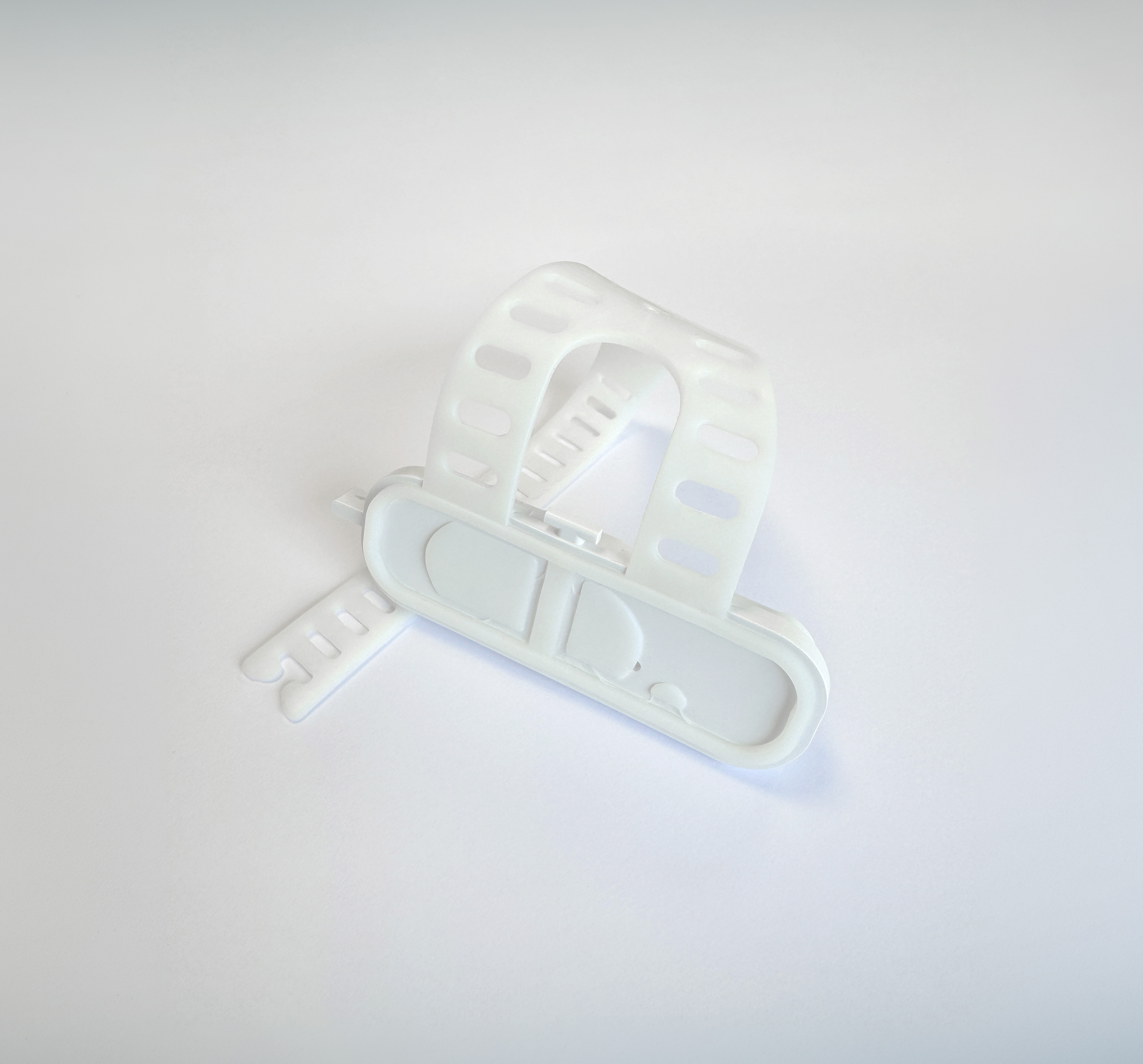
Silicone Moulding
Overmoulding
Next step
Ready to de-risk your next product?
Expert guidance
We help you define the right prototype route
Fast turnaround
Get answers in days, not weeks
Lower risk
Verify early and make better decisions
Let’s talk about your project and find the fastest way to get you true-to-use moulded prototypes. Reach out to Kristoffer directly or send us an inquiry.